
Mental clarity is harder to hold onto in a world that rarely slows down. Constant notifications, long workdays and digital noise place steady pressure on the mind. Many people notice this as mental fatigue, scattered thoughts, or difficulty staying focused. It is no surprise then that interest in herbs for mental clarity and focus has grown.
Traditional herbalism has long worked with plants that were believed to steady the mind and support clear thinking. These herbs were not used as quick fixes, but as part of everyday routines that supported balance and resilience. Today, modern research helps explain why some of these plants remain so valued.
This guide explores several well-known herbs for mental clarity and focus, and what to consider when adding them to your daily routine.
Ginkgo Biloba
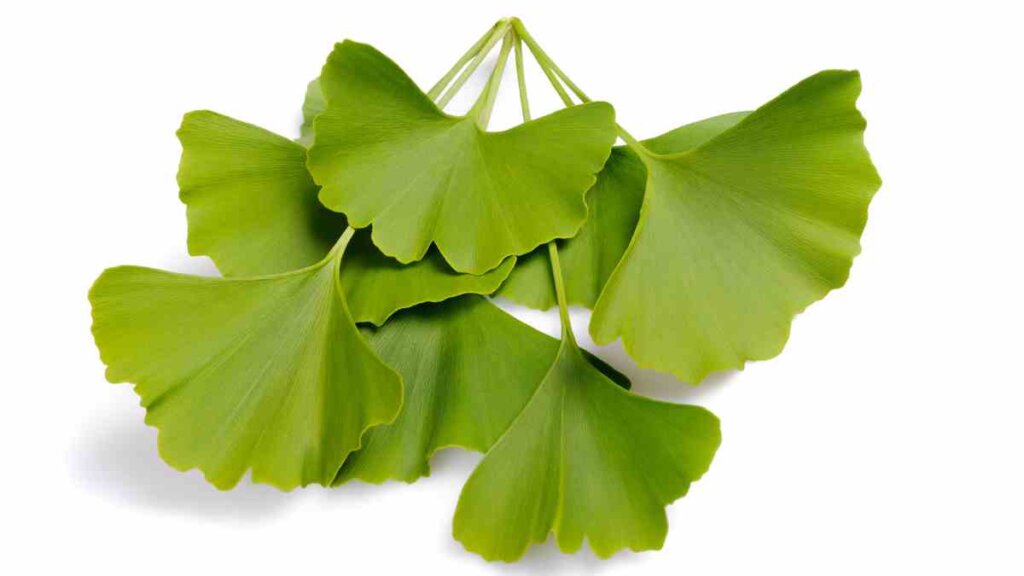
Ginkgo biloba is one of the oldest living tree species in the world. It is native to China and has been used for centuries in traditional Chinese herbal practice. Today, it is also widely used in Western herbal traditions. It is considered one of the most well-known herbs for mental clarity and focus.
In traditional use, Ginkgo has been taken during times of mental strain, fatigue, or reduced concentration. It is commonly included in routines focused on supporting clear thinking and mental performance, especially when focus becomes harder to maintain.
Ginkgo is known for its role in supporting healthy blood flow and circulation, including circulation to the brain. Modern research has examined Ginkgo in relation to cognitive function, with studies looking at its antioxidant compounds and their role in protecting nerve cells from oxidative stress. Research has also explored how these properties may support nerve cell health and cognitive resilience.
Ginkgo is most commonly taken as capsules, tablets, or liquid extracts. The leaves can also be used to prepare a tea with a mild, pleasant taste.
Bacopa Monnieri
Bacopa monnieri, often known as Brahmi, is a small creeping herb native to India and other parts of South and Southeast Asia. It thrives in wet, marshy areas and has been used for centuries in Ayurvedic herbal practice.
In traditional Ayurveda, Bacopa has been used during periods of learning and sustained mental effort, when focus and memory are needed over time. It has often been included in routines aimed at supporting mental steadiness and the ability to retain information during prolonged cognitive demand.
Modern research has explored Bacopa monnieri in relation to memory, learning, and age-related changes in cognitive function. A large review of published studies examined both laboratory and human research. It found that the plant’s natural compounds are linked with processes involved in information retention, learning performance, and during ongoing mental effort. These findings help explain why Bacopa remains widely valued across different herbal traditions as one of the best-known herbs for mental clarity and focus.
Bacopa is most commonly taken as capsules, tablets, or liquid extracts. It is less often used as a tea, as the fresh or dried herb has a mild but bitter taste.

Rhodiola Rosea
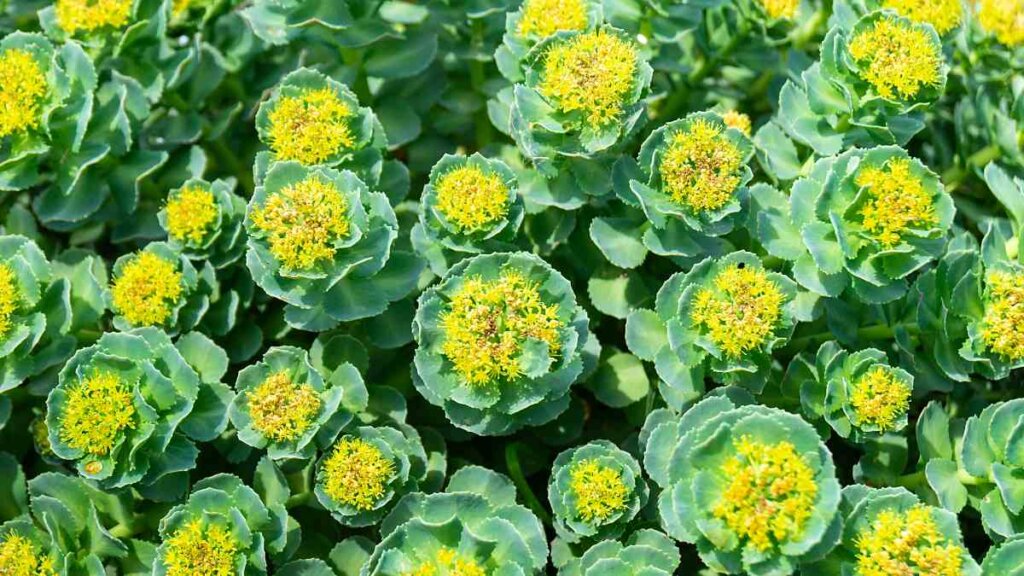
Rhodiola rosea, also known as golden root, grows in the cold, mountainous regions of Europe and Asia. It has a long history of use in traditional herbal systems, particularly in areas where people faced harsh climates and physically demanding conditions.
Traditionally, Rhodiola was valued for supporting stamina, resilience, and mental endurance. It was often taken during demanding times, when fatigue could build and mental focus was harder to maintain.
Modern research has explored Rhodiola rosea in relation to stress response and fatigue. A large review of scientific literature examined how Rhodiola extracts interact with stress-related pathways. It found consistent interest in the herb’s role in supporting mental performance under sustained pressure and helping the body cope with ongoing stress demands. This research helps explain Rhodiola’s reputation as one of the best-known herbs for mental clarity, stamina, and focus.
Rhodiola is most commonly taken as capsules, tablets, or standardised extracts. It is less often used as a tea, as the root has a strong, bitter taste.
Ashwagandha
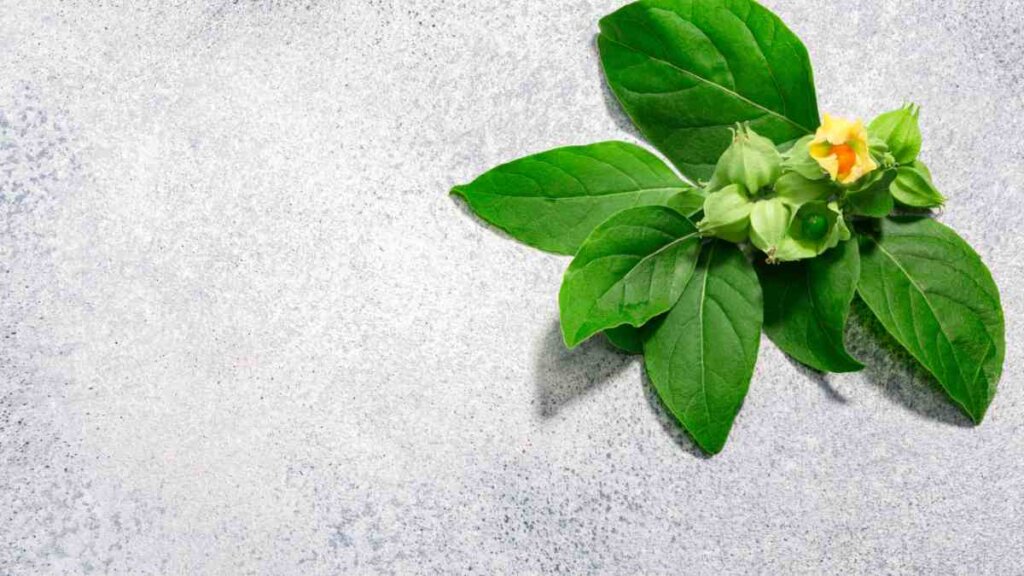
Ashwagandha (Withania somnifera) is a traditional herb used in Ayurvedic practice for centuries. Native to parts of India and North Africa, it has long been valued as a calming, supportive herb.
Ashwagandha has been used during periods of stress. It is often chosen when people feel mentally overloaded, emotionally drained, or unable to fully relax. For this reason, it is commonly used during life stages marked by internal change, including perimenopause and menopause. Because ongoing stress can interfere with clear thinking and focus, Ashwagandha is often included among herbs for mental clarity and focus.
Modern research has examined Ashwagandha in relation to stress response and how the body adapts to ongoing pressure. Reviews of scientific studies have looked at both animal and human research and found continued interest in the herb’s role in supporting emotional steadiness during prolonged stress.
Ashwagandha is most commonly taken as capsules, tablets, or powdered root. It is often used as part of an evening or wind-down routine and is less commonly prepared as a tea due to its earthy, slightly bitter taste.
Gotu Kola
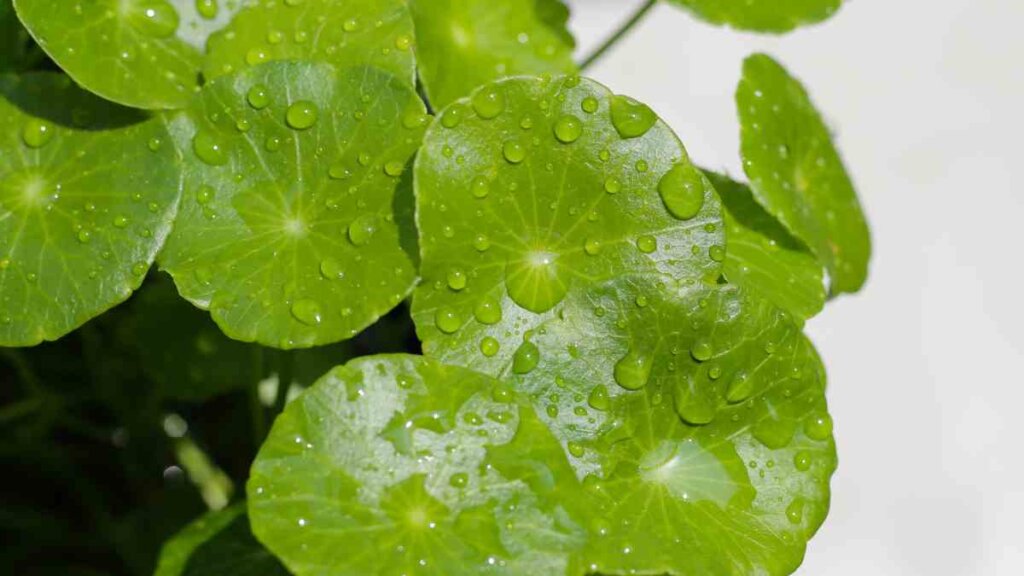
Centella asiatica, commonly known as Gotu Kola, has been used for centuries in both Ayurvedic and Chinese herbal traditions. It grows naturally in parts of South and Southeast Asia, particularly in warm, damp environments.
In traditional herbal practice, Gotu Kola has been used to support memory, concentration, and mental attentiveness. It has often appeared in practices focused on maintaining mental function, especially during periods of mental fatigue or reduced focus.
Modern research has examined Gotu Kola in relation to brain cell activity and communication. Studies have looked at its plant compounds in connection with processes involved in nerve growth and memory-related pathways in the brain. This research reflects Gotu Kola’s long-standing association with mental clarity and focus in traditional herbal systems.
Gotu Kola is taken in different forms, including capsules, tablets, and liquid extracts. The fresh or dried leaves are also used in teas and, in some regions, added directly to food.
Sage
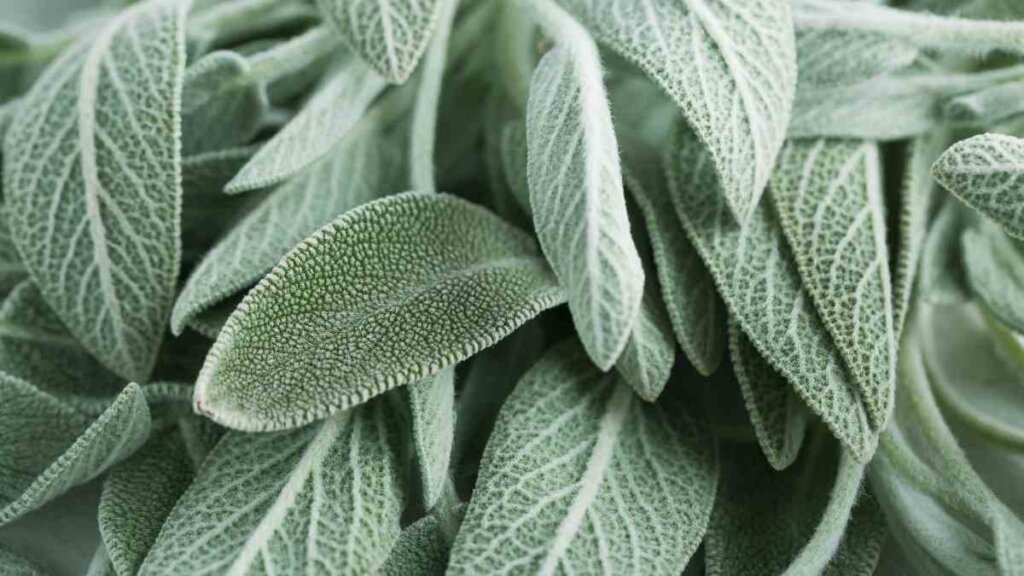
Sage (Salvia officinalis) is a Mediterranean herb that grows naturally in warm, dry climates. It has been used for centuries in European herbal traditions, as well as in everyday cooking.
In traditional herbal practice, sage has been used to support memory, focus, and clear thinking. It has often been included in routines aimed at maintaining mental alertness and concentration.
Modern research has examined sage in relation to mood, attention, and memory. Studies have looked at plant compounds found in both Salvia officinalis and Salvia lavandulaefolia. Some research reports small changes in memory and task performance under controlled conditions. Most of this research focuses on standardised extracts rather than whole herbs.
Sage can be taken as capsules, tablets, or liquid extracts. The leaves are also commonly used to prepare sage tea.
Final thoughts
Herbs have long been used as part of everyday routines to support clear thinking and sustained focus. Each of the plants covered in this guide has a different role, which is why herbs for mental clarity and focus are often chosen based on individual needs. Some are traditionally used to support memory, others to steady the mind under stress, or to maintain mental alertness over time.
These herbs can be taken in different forms, such as teas, capsules, extracts, or powders, depending on preference and tradition. As with any herbal product, it’s important to take a thoughtful approach. If you have an existing health condition or take medication, speaking with a qualified healthcare professional before using herbal supplements is always advisable.
Used with care and awareness, herbs can be a simple and natural way to support the brain as part of a balanced lifestyle.
If you enjoyed this article, feel free to share it with your friends and family to spread the knowledge!
Don’t forget to follow The Nature’s Magic Hub on social media for more tips, updates, and insights into natural remedies and holistic wellness.
Join our community and stay connected to discover the magic of nature for a healthier, happier life!