
Supporting your digestive health is very important for overall well-being, and herbs have been used for centuries to naturally help the digestive system. Adding digestive herbs to your everyday life is an easy and enjoyable way to take care of yourself. In this article, we’ll explore some of the best herbs for digestion and how to use them in teas, tinctures, and recipes.
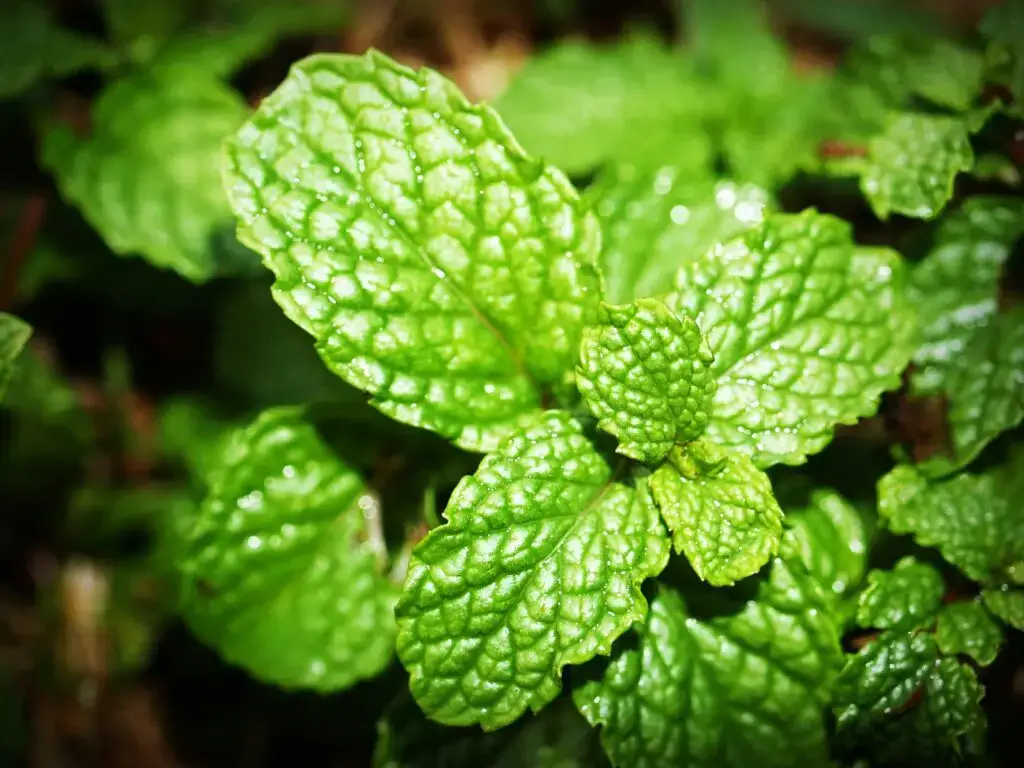
Peppermint (Mentha Piperita)
Peppermint is one of the most commonly used herbs for digestive health. In traditional herbal practice, it has been used for generations to ease discomfort after eating, especially bloating, gas, and mild stomach cramps.
Peppermint contains menthol, a naturally occurring compound that helps relax the muscles of the digestive tract. This relaxing effect can make digestion feel easier after meals and may reduce cramping caused by trapped gas.
Peppermint is most often taken as a tea. A pure peppermint tea, enjoyed after meals, is a simple and familiar way to support digestion. Fresh leaves can also be added to warm water or food for flavour and digestive comfort.
More concentrated forms of peppermint may not be suitable for everyone, particularly for people who experience acid reflux or heartburn. In these cases, lighter infusions are usually better tolerated.
Chamomile (Matricaria Chamomilla)

Chamomile is best known as a calming herb, but it has also been used for digestive support for a very long time. Traditionally, it has been chosen when digestion is affected by tension, nervousness, or mild irritation of the stomach and intestines.
Chamomile contains compounds that help calm inflammation and relax the digestive tract. This can make it useful for indigestion, mild cramping, and gas, particularly when digestive discomfort appears alongside stress or restlessness. For many people, easing the nervous system also helps digestion work more smoothly.
Chamomile is most commonly taken as a tea. A warm cup after meals, or in the evening, is often enough to settle the stomach and support digestion. Its mild, slightly sweet taste makes it easy to drink on its own, without blending it with other herbs.
Chamomile is generally gentle, but people who are sensitive to plants in the daisy family may want to use it with care. If irritation occurs, it is best to stop and choose a different herb.
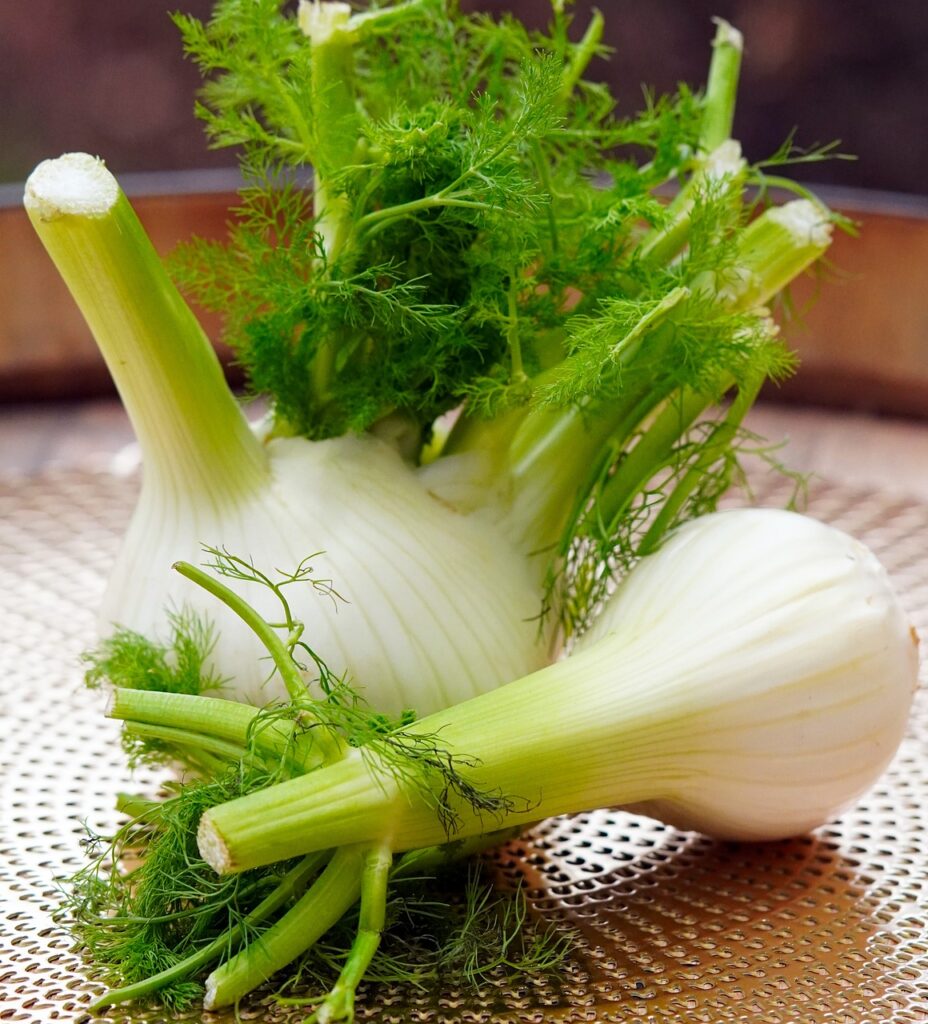
Fennel (Foeniculum Vulgare)
Fennel has a long history of use for digestion, particularly when meals leave you feeling bloated or uncomfortable. In many food traditions, fennel seeds are eaten after meals simply because they help digestion and reduce gas.
The seeds contain aromatic compounds that help the digestive tract relax and allow gas to pass more easily. Fennel also provides small amounts of dietary fibre, which supports regular bowel movements and overall digestive comfort. This makes it especially useful after heavier or richer meals, when bloating or cramping tends to appear.
Fennel can be used both as food and as a tea.
Crushed fennel seeds are often brewed into a tea and taken after meals to reduce bloating.
The fresh bulb is also widely used in cooking. Roasting fennel with other vegetables makes it easier to digest while adding a mild, slightly sweet flavour to meals.
Fennel is generally well tolerated when used in normal food amounts or as an occasional tea. People who are sensitive to plants in the carrot family should use it with care, and concentrated fennel preparations are best avoided unless advised by a professional.
Dandelion (Taraxacum Officinale)

Dandelion has been used traditionally to support digestion, particularly when it feels slow or heavy after meals. Both the leaves and the root have a history of use, although they are used in slightly different ways.
Dandelion is a bitter herb, and bitterness plays an important role in digestion. Bitter compounds stimulate the release of digestive juices, including bile, which helps the body break down fats more efficiently. For this reason, dandelion is often chosen when digestion feels sluggish or when rich foods are harder to tolerate.
The root is most commonly used as a tea, taken shortly before or after meals. Dandelion leaves can also be eaten as food, often added to salads or lightly cooked, where their bitterness gently stimulates appetite and digestion.
Dandelion is generally well tolerated, but because it influences bile flow, it may not be suitable for people with gallbladder obstruction or related conditions. Anyone with ongoing digestive problems should seek advice before using it regularly.
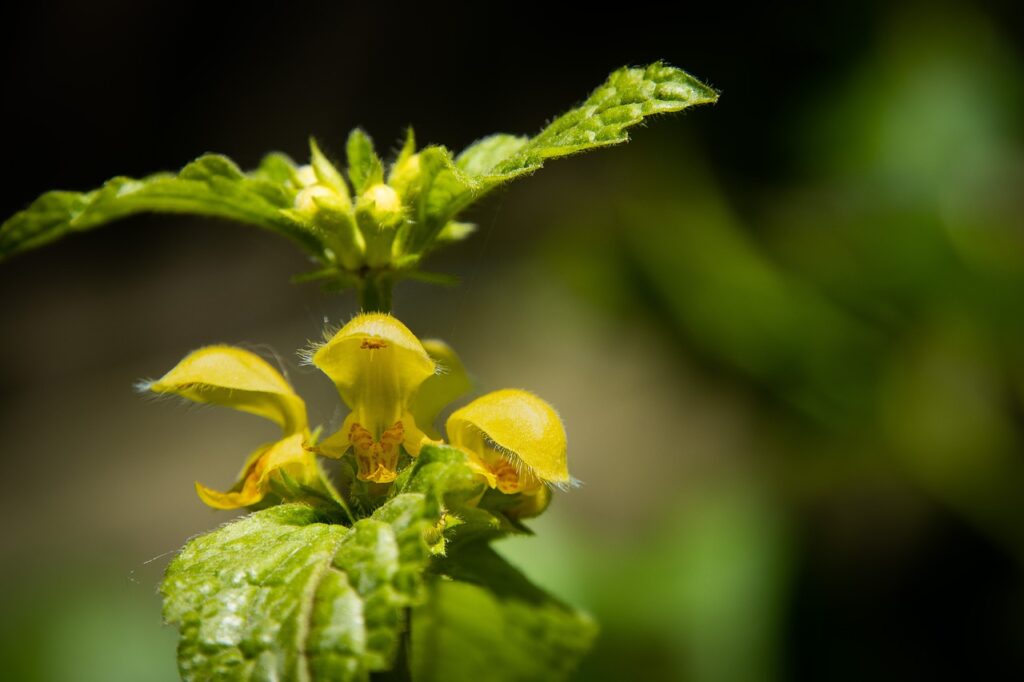
Yellow Dead Nettle (Lamium Galeobdolon)
Yellow Dead Nettle is another one from the herbs for digestive health, with anti-inflammatory and astringent properties. If you experience indigestion, mild diarrhoea, or bloating after meals, this herb can help restore balance.
Yellow Dead Nettle’s astringent effects help tone digestive tissues, firm up stools, and relieve mild diarrhoea. Its mild diuretic and laxative effects also support regular bowel movements.
How Yellow Dead Nettle Helps Digestion:
- Reduces inflammation in the stomach and intestines, which helps with indigestion or gastritis.
- Its astringent effects tone the tissues in your digestive tract, helping manage diarrhoea.
- Supports regular bowel movements with its mild diuretic and laxative effects.
- Soothes bloating and indigestion after meals.
Linseeds (Flaxseeds)
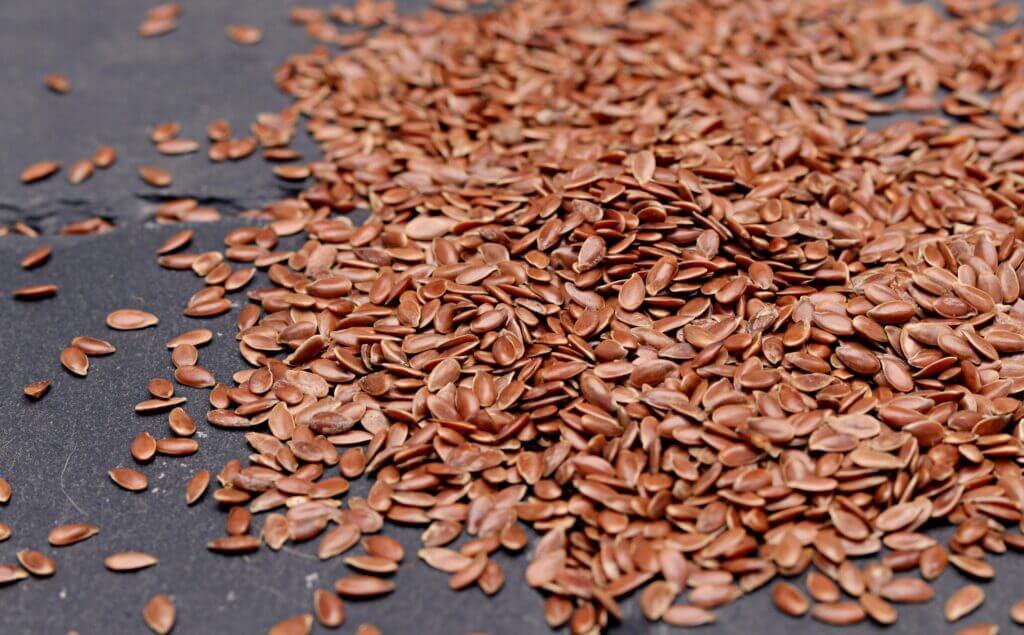
Linseeds, or flaxseeds, are tiny but packed with fibre and nutrients that support digestion. Whether you’re dealing with constipation or just want to improve your gut health, linseeds are a great addition to your diet.
Their high fibre content helps regulate bowel movements and ease digestive discomfort. They also act as a natural laxative, gently relieving constipation. Plus, their omega-3 fatty acids soothe the digestive tract and promote gut health.
How Linseeds Help Digestion:
- Help ease bloating, gas, and irregularity, especially for people with IBS.
- When soaked in water, linseeds form a gel-like substance that acts as a gentle laxative.
- Full of fibre that softens stools and makes bowel movements easier.
- Their omega-3 fatty acids reduce inflammation in the gut and support healthy bacteria.
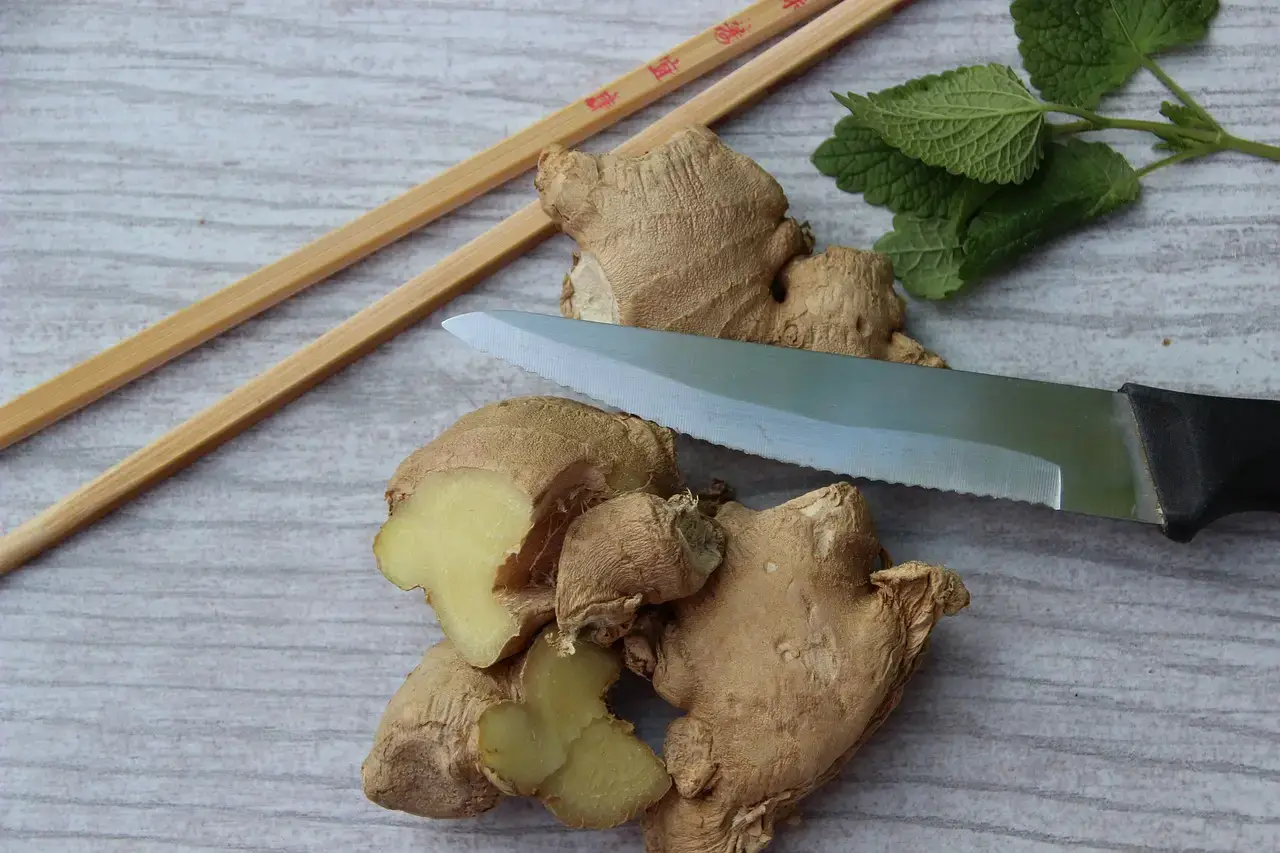
Ginger (Zingiber Officinale)
- Ginger is another fantastic herb for digestion. It’s been used for ages to soothe nausea, speed up digestion, and ease indigestion. What makes ginger so effective is its warming properties. When you consume ginger, it not only calms an upset stomach but also boosts circulation in your digestive system. If you’ve ever felt queasy after eating or needed to settle your stomach, ginger is one of the best natural remedies out there. You can enjoy it in a hot cup of tea, add it to your meals, or even take it as a tincture. It’s an easy way to give your digestive system a boost while adding a spicy kick to your food.
How Ginger Helps Digestion:
- Warms the body and boosts circulation, which supports digestion.
- Reduces nausea and settles an upset stomach.
- Stimulates digestion and helps prevent indigestion.

Turmeric (Curcuma Longa)
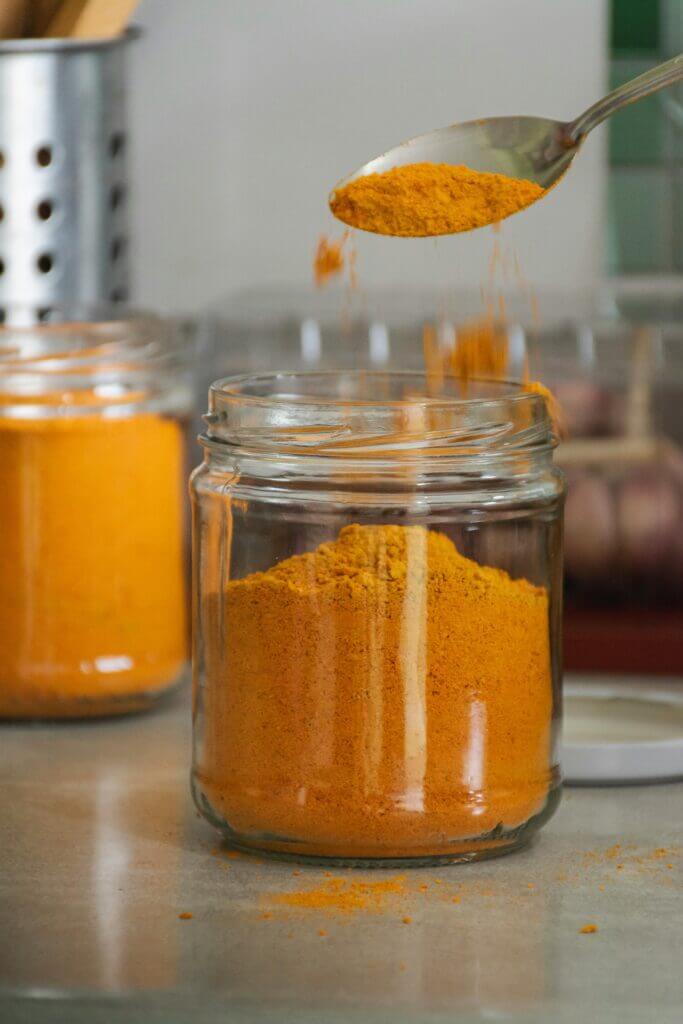
Turmeric is a well-loved spice, known for its powerful anti-inflammatory and digestive benefits. Its key ingredient, curcumin, gives it its healing powers, making turmeric a great herb for supporting your digestive system. If you’ve ever dealt with discomfort, bloating, or inflammation, turmeric could help.
Turmeric is especially good at stimulating bile production, which helps break down fats and promote smooth digestion. Whether you use it in cooking, as a tea, or in supplements, turmeric can calm your digestive system and support overall gut health.
How Turmeric Helps Digestion:
- Protects the stomach lining, which can help prevent or manage ulcers.
- Reduces inflammation in the gut, which can help with conditions like irritable bowel syndrome (IBS) or inflammatory bowel disease (IBD).
- Relieves gas and bloating, making digestion smoother and more comfortable.
- Stimulates bile production to help digest fats and break down food more effectively.
- Supports gut health by promoting the growth of healthy bacteria.
Final Thoughts
Digestive health is influenced by many factors, including what we eat, how we eat, and how the body responds to stress and daily demands.
Herbs such as peppermint, chamomile, fennel, ginger, turmeric, linseeds, and dandelion have long histories of use for common digestive complaints such as bloating, gas, cramping, and discomfort after meals. When used in moderation, they can form part of an everyday approach to supporting digestion.
Not every herb suits every person, and digestive symptoms can have many underlying causes. If discomfort is persistent, severe, or linked to a medical condition, professional advice should always come first.
Used thoughtfully, herbs for digestive health can offer steady, traditional support and help bring digestion back into balance in a natural, uncomplicated way.
If you enjoyed this article, feel free to share it with your friends and family to spread the knowledge!
Don’t forget to follow The Nature’s Magic Hub on social media for more tips, updates, and insights into natural remedies and holistic wellness.
Join our community and stay connected to discover the magic of nature for a healthier, happier life!