
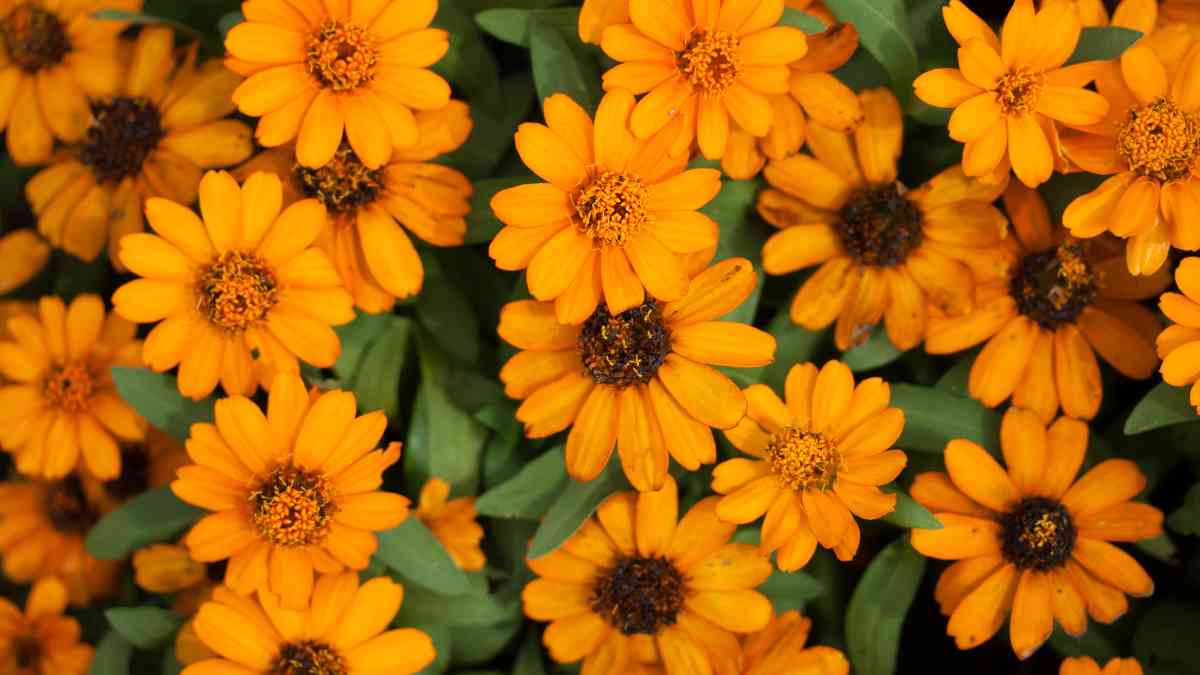
Calendula officinalis, also known as pot marigold or Mary Gowles, is a bright flowering herb that has been used for generations in folk traditions. It is easy to recognise by its yellow to deep orange flowers and usually grows to around 30-40 cm in height. The plant has thick, slightly sticky leaves and stems and is commonly grown in gardens, though it can also be found growing wild.
Calendula has long been valued in folk traditions. In the past, it was even used as a sign of changing weather. It was said that if the flower heads remained closed after 7 a.m., rain was expected that day.
Today, Calendula Officinalis (Pot Marigold) is widely used in herbal practice, particularly in skincare preparations, ointments, and teas, and remains one of the most familiar herbs in home herbal traditions.
Key Ingredients of Calendula Officinalis (Pot Marigold)
Calendula Officinalis (Pot Marigold) is valued mainly for the natural compounds found in its bright orange flowers. These include flavonoids and triterpenoids, such as quercetin, rutin, lupeol, and ψ-taraxasterol. These plant compounds are often discussed in herbal literature for their calming and protective qualities, especially when calendula is used on the skin.
The deep yellow and orange colour of calendula flowers comes from carotenoids, including beta-carotene and lycopene. These pigments are well known for their antioxidant role in plants and are also found in many brightly coloured fruits and vegetables. In herbal preparations, they are one of the reasons calendula has long been associated with skin support.
Calendula also contains small amounts of natural aromatic oils, including limonene and α-pinene. These give the plant its mild, earthy scent and are commonly linked with cleansing and skin-supportive uses in traditional herbal practice.
The leaves and other parts of the plant contain additional antioxidants, such as tocopherols, which further contribute to calendula’s reputation as a soothing and protective herb.
While these compounds help explain why calendula has been used for generations, their effects depend on how the plant is prepared and whether it is used externally or internally.
What do the Studies Say
Calendula Officinalis (Pot Marigold) has been studied mainly for its use on the skin and in topical preparations. Most research focuses on extracts made from the flowers. These studies examine how the extracts behave in laboratory settings, animal studies, or small human trials. Much of the available evidence is still preliminary and should be understood in that context.
Several studies suggest that calendula extracts may help support the normal healing process of the skin. This includes research looking at wound care, minor skin damage, and irritation, where calendula-based preparations were observed to support skin recovery when applied externally. These findings help explain why calendula has been traditionally included in ointments, creams, and salves.
Calendula has also been studied for its antioxidant activity. Antioxidants are compounds that help protect cells from damage caused by oxidative stress. These effects have been observed mainly in laboratory studies. They are often mentioned as one of the reasons calendula has attracted scientific interest.
Some research has explored calendula’s antimicrobial activity in controlled laboratory conditions. These studies examine how calendula extracts interact with certain bacteria or fungi in isolation. This type of research does not mean calendula can replace medical treatments. It does provide insight into why the plant has been used historically in skin care and hygiene practices.
A small number of clinical studies have looked at calendula-based products for specific skin-related uses, such as minor burns or irritation. While some positive observations have been reported, these studies are limited in size and scope.
Benefits of Calendula Tea
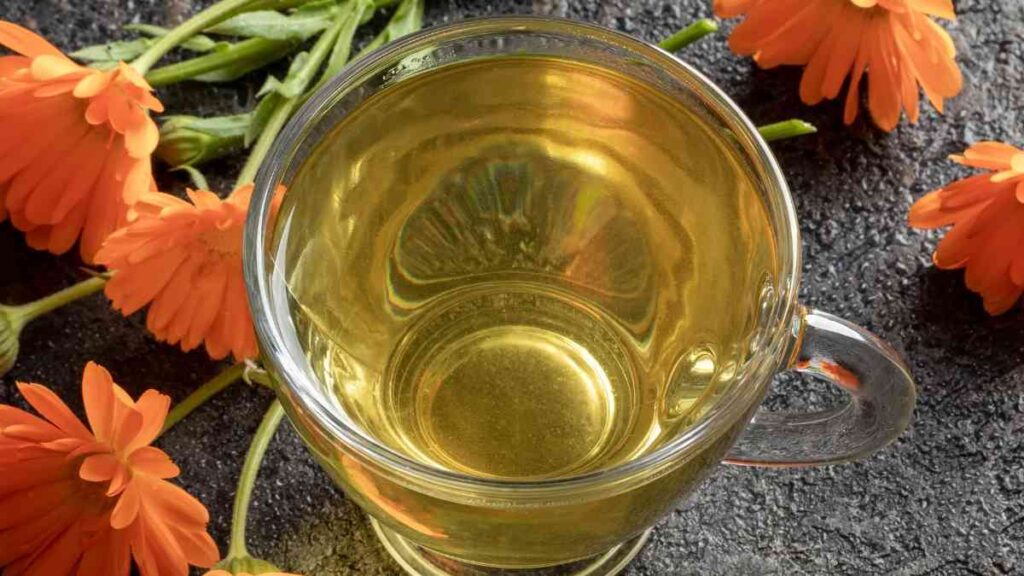
Calendula Officinalis (Pot Marigold) tea has a long history of use in traditional European herbal practice. One of the most well-known references comes from herbalist Maria Treben, who described calendula tea as a “blood-cleansing” herb. In traditional herbal language, this did not mean detoxification in the modern medical sense. Instead, it referred to supporting the body during periods of weakness, recovery, or seasonal change.
In folk traditions, calendula tea was taken for digestive discomfort, for general support, and for the stomach and intestines. It was commonly used in cases of cramps, sluggish digestion, stomach ulcers, and discomfort affecting the digestive tract. These uses appear regularly in older herbal texts and reflect long-standing practical experience.
Calendula tea was also mentioned in traditional sources in relation to fluid retention, historically referred to as dropsy. This term belongs to older medical systems. It was used to describe visible swelling caused by excess fluid in the body.
In addition to being taken internally, calendula tea was often prepared as a cooled infusion for external use. In folk practice, it was used as a wash or compress for the skin and eyes. It was also applied to swollen glands and irritated areas. These applications were generally mild and formed part of everyday home care.
It is important to understand that these uses come from traditional herbal knowledge. They are based on historical practice and personal observation rather than modern clinical evidence, and should not be seen as proven medical treatments.
Benefits of Fresh Calendula Officinalis (Pot Marigold) Juice
Fresh calendula juice has traditionally been used externally and is pressed from the fresh stems, leaves, or flowers.
One of the best-known traditional uses of fresh calendula juice is for warts. The juice from the freshly cut stem was applied repeatedly to the affected area over time.
Fresh calendula juice was also used for scabies and other itchy skin conditions as part of traditional home care practices.
In herbal tradition, fresh calendula juice was used for swollen glands. It helped reduce discomfort and tension in the affected area. It was also applied to various persistent skin conditions that were slow to heal.
Calendula juice has also been used for cosmetic purposes. It was applied to pigment spots, brown spots, and strawberry marks, particularly those appearing with age. It was believed to improve the appearance of the skin and help smooth rough or uneven patches when used regularly.
These uses come from traditional herbal practice and long-standing experience with the fresh plant. Fresh plant juices can be strong, so they should be used with care and tested on a small area of skin first.
Benefits of Calendula Ointment
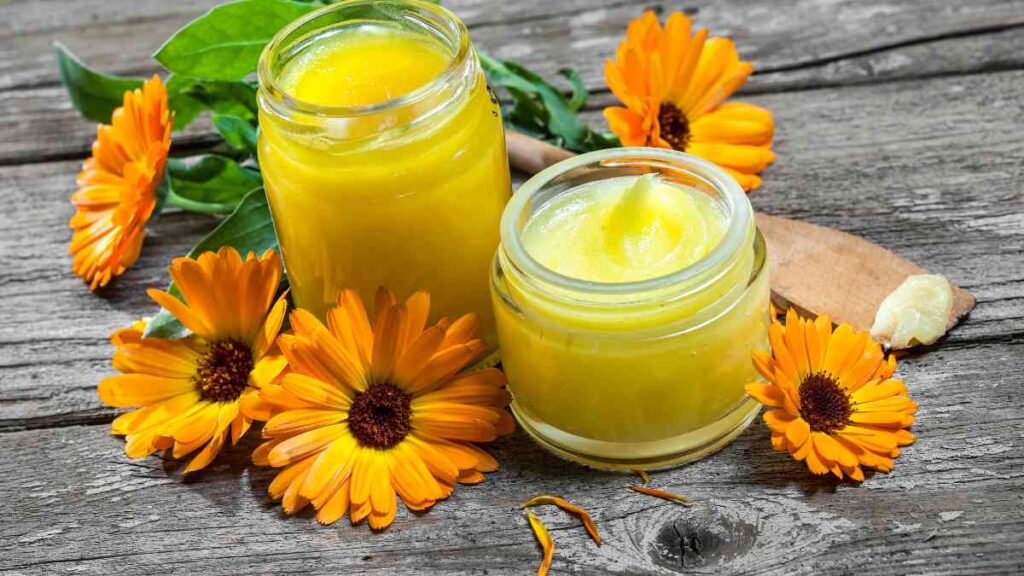
Calendula Officinalis (Pot Marigold) ointment has been widely used in traditional herbal practice for external application, especially for the skin and veins.
It has traditionally been applied to varicose veins to ease discomfort and improve the appearance of the skin. Calendula ointment was also used in cases of phlebitis, where the veins are inflamed, and for varicose ulcers, where it was applied gently to support the affected area.
Calendula ointment has also been used for frostbites, minor burns and sunburns. It was applied to calm the skin and support recovery. In traditional use, it was applied to breast ulcers and other slow-healing skin areas, including after surgical procedures, with the aim of supporting normal skin healing and reducing visible scarring.
The ointment has been commonly used for athlete’s foot and other fungal skin infections, including those affecting the genital area. It was also applied to a wide range of skin issues such as bruises, sprains, bedsores, festering sores, swellings, and irritated skin.
Calendula ointment is still widely used as a simple, everyday herbal preparation for the skin. It is intended for external use only, and it is sensible to test a small amount on the skin first to check for sensitivity.
A personal note
I remember one summer when my grandfather spent a long day working in the garden during very hot weather, with temperatures above 30°C. By the evening, his back was badly sunburnt and extremely painful. We didn’t have anything from the pharmacy at home at the time, but we did have calendula ointment, which we applied to the affected areas. He felt relief shortly afterwards. We repeated this several times throughout the evening, and by the end of the day the pain had eased and the skin had visibly calmed.
Benefits of Calendula Baths
Calendula baths have traditionally been used for fungal skin conditions, including those affecting the genital area. Soaking in a calendula bath can also help soothe skin irritation and inflammation, including conditions such as eczema and dermatitis.
The antiseptic properties traditionally associated with calendula have made these baths popular for minor cuts, scrapes, and other skin irritations. In addition to these uses, a calendula bath offers a general soothing and relaxing effect, which can be good for overall skin health and well-being.
How to Use Calendula Officinalis (Pot Marigold)
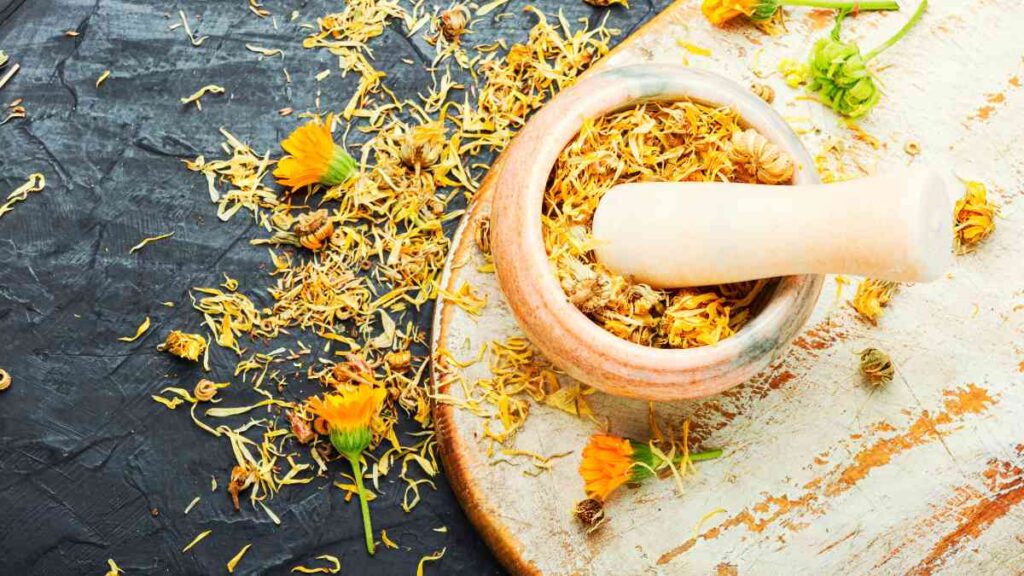
Harvest the bright yellow to orange flower heads of the Calendula plant when they are fully open and fresh. Avoid flowers that look wilted or damaged. You can also collect the leaves and stems, ensuring they are healthy, free from mildew, and disease-free.
You should gather Calendula in bright sunshine when its healing powers are at their peak. This typically means collecting the plant during the morning hours after the dew has dried but before the midday heat.
Calendula Infusion (Tea)
Use one heaped teaspoon of dried Calendula flowers per cup of boiling water. Cover and let it steep for about 5 minutes. In traditional practice, calendula tea was usually taken in small amounts, often one to two cups a day.
Fresh Calendula Juice
Fresh calendula juice is made from freshly harvested leaves, stems, and flowers.
After collecting the plant, place it in a bowl of cold water and leave it to soak briefly. This helps loosen any dirt or insects. Rinse well, then drain thoroughly and gently pat the plant dry. Removing excess water is important, as any remaining water will dilute the juice.
Chop the calendula finely using a knife. The chopped plant can then be crushed to release its juice. This can be done by pressing and mashing it with a mortar and pestle, or by using a small food chopper or blender.
Once crushed, place it in a clean cloth or fine strainer and squeeze firmly to extract the juice. The juice is best prepared fresh and used straight away. If needed, it can be kept in the refrigerator for a short time in a clean, sealed container.resh calendula juice is made from freshly harvested leaves, stems, and flowers.
Calendula Sitz Bath
Use two large handfuls of fresh calendula or around 100 grams of dried herb. Soak the plant material in cold water overnight. In the morning, bring it to a brief boil, strain, and add the liquid to bath water.
Calendula Ointment
Finely chop two large handfuls of fresh calendula (the whole plant) and mix with 500 grams of melted lard. Stir briefly, then remove from the heat. Cover and leave to infuse for a day. Warm gently again, strain, and store in clean jars in a cool, dark place.
Calendula ointment has traditionally been prepared using lard. Lard was chosen for practical reasons, as it produces a stable ointment and allows fat-soluble plant constituents to be extracted and held evenly within the preparation.
From a preparation point of view, other natural fats are also capable of extracting fat-soluble compounds from calendula (for example, goose fat). However, using a different fat will affect the texture, stability, and keeping qualities of the ointment. The preparation may behave differently on the skin from the outset and may also be less stable over time, with a shorter shelf life.
For these reasons, lard remains the traditional reference point for this preparation.
Important Safety Notes about Calendula Officinalis (Pot Marigold)
Calendula Officinalis (Pot Marigold) has a long history of use in traditional European herbal practice, particularly for external applications on the skin. The information in this article reflects historical use and practical experience rather than medical advice.
Calendula belongs to the Asteraceae (daisy) family. People who are sensitive to plants in this family may experience skin reactions. It is sensible to test a small amount on the skin first, especially when using fresh plant material or homemade preparations.
Fresh calendula juice and strong preparations can be irritating for some people. If redness, itching, or discomfort occurs, use should be stopped.
Calendula has traditionally been used for minor cuts, scrapes, bruises, and irritated skin. However, it should not be relied on for deep wounds, severe burns, infected areas, or wounds that do not improve, where medical advice is necessary.
Homemade calendula preparations should be made with clean equipment and stored properly. Fresh preparations have a short shelf life and should be used promptly or kept refrigerated for a limited time.
Internal use of calendula is part of traditional practice but may not be suitable for everyone, particularly during pregnancy or breastfeeding. If unsure, it is best to avoid internal use or seek professional guidance.
If you enjoyed this article, feel free to share it with your friends and family to spread the knowledge!
Don’t forget to follow The Nature’s Magic Hub on social media for more tips, updates, and insights into natural remedies and holistic wellness.
Join our community and stay connected to discover the magic of nature for a healthier, happier life!
If you enjoyed this article, feel free to share it with your friends and family to spread the knowledge!
Don’t forget to follow The Nature’s Magic Hub on social media for more tips, updates, and insights into natural remedies and holistic wellness.
Join our community and stay connected to discover the magic of nature for a healthier, happier life!